PVD coating for durable functional surfaces
Physical Vapor Deposition creates durable, homogeneous coatings with low chemical and thermal impact on components. The technology supports a broad range of substrates, coating materials, and layer combinations while complementing established electroplating processes.
Low impact on temperature-sensitive components
Suitable for metals, glass, ceramics and plastics
Strong adhesion and homogeneous layer structures
Supports complex coating and alloy combinations
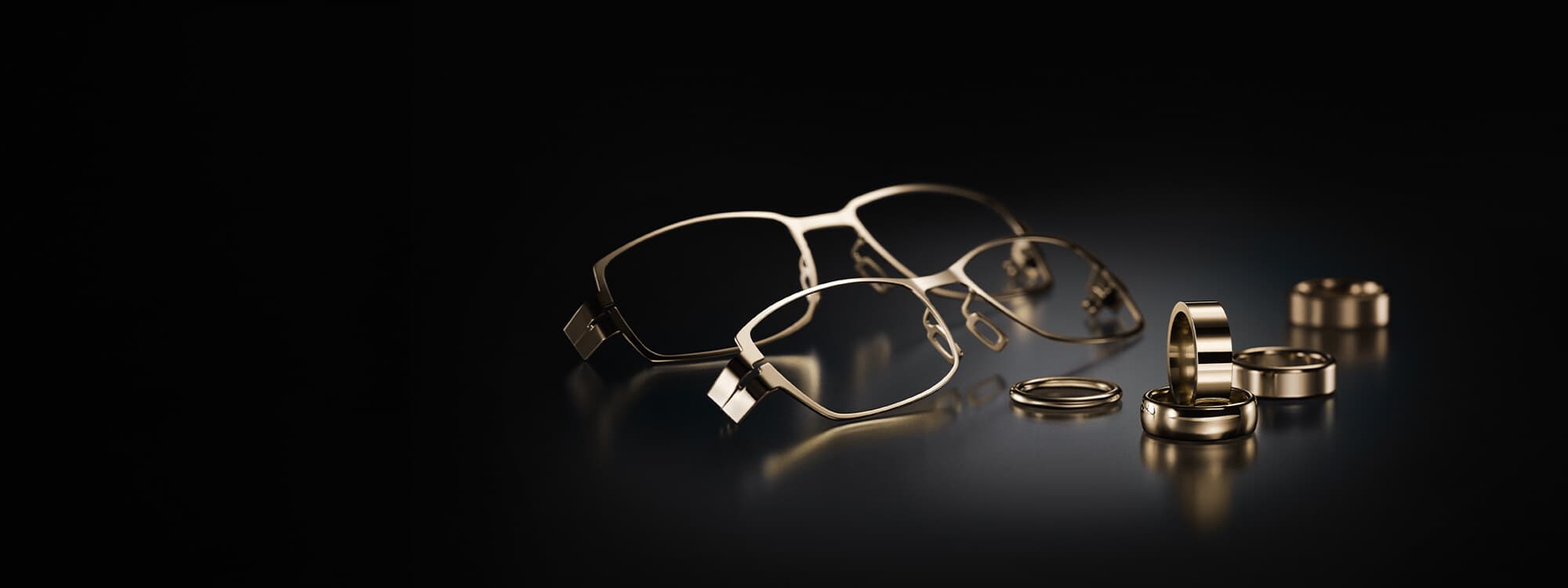
Physical Vapor Deposition for technical and decorative coating applications
Physical Vapor Deposition (PVD) is a vacuum-based coating technology for functional and decorative surface layers. The process offers low chemical and thermal stress on components while supporting metals, ceramics, glass, plastics, coating materials, and layer combinations. PVD complements electroplating technologies and enables coatings with metals that cannot be deposited through conventional galvanic processes for defined surface requirements.
Benefits of PVD coating technology
PVD coating combines broad application flexibility with durable surface performance. The technology supports sensitive substrates, enables complex coating systems, and expands the range of achievable surface properties for decorative and technical applications while maintaining controlled layer formation and reliable verification options.
Low-stress PVD coating systems
Low chemical and thermal exposure helps protect sensitive substrates while supporting controlled layer formation.
Broad substrate selection
PVD applies to metals, ceramics, glass, and selected plastics for decorative and technical surface applications.
Strong adhesion performance
The process creates strongly adhering layers with consistent structures for demanding decorative and functional uses.
Advanced layer combinations
Complex layer combinations and selected metal coatings can be designed for defined technical application requirements.
Homogeneous layer quality
Homogeneous coatings support consistent surface appearance, controlled layer formation, and functional quality.
Materials, coatings, and quality control
PVD technology can be adapted to different substrates, coating objectives, and quality requirements. Available materials, coating systems, and analytical methods support decorative and technical applications while enabling consistent layer verification through development, sample processing, and production-related quality control.
Compatible substrate materials
PVD coatings can be applied to metals, specialty metals, ceramics, glass, and plastics. This substrate range allows the technology to support decorative surfaces and technically demanding components when material behavior and coating objectives are assessed together.
Available coating materials
Available coating materials include silver, gold, hard gold, palladium, platinum, iridium, rhodium, copper, titanium, niobium, tantalum, aluminum, and alloy systems upon request. Layer combinations can be developed for defined application requirements.
Quality control and analysis
Quality assurance includes optical microscopy, adhesion testing, chemical analysis, metallographic inspection, Dektak profiler measurements, and X-ray fluorescence analysis. These methods support coating verification, thickness assessment, and layer characterization.
Equipment for advanced PVD applications
Heimerle + Meule operates a high-vacuum inline coating system, type Z1200. The system supports functional and decorative PVD coatings on suitable substrates and enables specialized coating concepts and alloy compositions upon request for defined technical applications.
Frequently Asked Questions
PVD coatings can be applied to metals, specialty metals, ceramics, glass, and plastics.
Available coating materials include silver, gold, hard gold, palladium, platinum, iridium, rhodium, copper, titanium, niobium, tantalum, aluminum, and selected alloy systems upon request.
Yes. The technology can complement electroplating processes and may be used in coating systems requiring multiple surface technologies.
Quality assurance includes optical microscopy, adhesion testing, chemical analysis, metallographic inspection, Dektak profiler measurements, and XRF analysis.
Let's discuss your PVD coating requirements
Whether you are evaluating a new coating concept, material combination, or technical requirement, our specialists can support the assessment of suitable PVD coating options for your application.